Sanford’s roads tell their own story. US‑1’s rush-hour grit, the long straightaways toward Fayetteville, gravel spitting from shoulders on Carbonton, a summer thunderstorm that turns a small chip into a jagged lightning bolt. If you drive here, you learn quickly that auto glass is not just a cosmetic detail. It is a structural safety component, a barrier against heat and rain, and a quiet luxury when installed correctly. The difference between a windshield that disappears from your awareness and one that squeaks, whistles, or distorts your view often comes down to the quality of the glass and the hands that fit it to your car.
Professional installation is not about paying a premium for a name on the invoice. It is about the precision of the fit, the integrity of the adhesive bond, and the warranty that stands behind both. For drivers seeking Auto Glass Sanford NC services, the best shops are not simply fixing a crack; they are restoring the shield that allows modern vehicles to function as designed, especially during a crash. This is where knowledge and discipline matter.
The windshield’s hidden job
Most people think of windshields as transparent armor, which is partly true. Less obvious is that the windshield is a structural member of the cabin. On many vehicles, it adds a measurable percentage of roof crush resistance and provides backstop support so an airbag can inflate against it, not through it. When a windshield is bonded with the correct urethane and correct prep, it can help prevent the roof from collapsing in a rollover and keep an airbag in the correct position during a frontal collision.
That structural performance depends on details you never see: how the installer prepped the pinch weld, whether they used high-modulus, OEM‑approved urethane, how they managed humidity and temperature, the exact spacing of the glass within the frame, and whether they protected the freshly bonded glass from movement while the adhesive cures. Each decision affects how your car behaves in the moments that matter most.
Why precision matters more in Sanford than you might expect
Central North Carolina enjoys four seasons, and that swing takes a toll on auto glass. Summer heat cooks adhesives and makes chips spread. Winter cold stresses the edge where glass meets metal. The daily cycle of hot afternoon followed by a cool night leads to expansion and contraction right at the bond line. Add the occasional gravel truck or a sudden downpour and a small blemish can become a creeping crack.
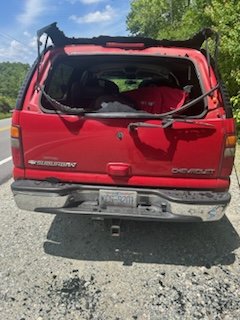
For Windshield Replacement Sanford drivers, the risk multiplies if shortcuts were taken during installation. A tiny void in the urethane bead becomes a path for moisture. Moisture becomes corrosion. Corrosion lifts the bead in a cascade effect, and then, during a crash, the glass can separate at check here the moment it is most needed.
I have seen vehicles come in for Sanford Auto Glass Repair where the glass looked fine, but the lower corners were beginning to rust from a previous low-quality replacement. The owner had no idea. The fix required careful rust treatment, priming, then bonding a new windshield. Skipping those steps would have been faster, but each missed step becomes a debt the car will collect from you later, often at the worst time.
OEM versus aftermarket: what actually changes
You will hear arguments about OEM glass versus aftermarket as if one side were always right. The reality is more nuanced. OEM glass, made by suppliers like Pilkington, Saint‑Gobain, AGC, or Fuyao, is specified to match the optical and acoustic requirements of a particular model. Aftermarket can be excellent when it comes from the same supplier, cut to the same spec, and meets DOT and FMVSS standards. Where problems tend to appear is in consistency.
On vehicles with advanced driver assistance systems, the bend and thickness of the glass can affect camera focus and radar performance. A cheap windshield with slightly different curvature might pass a casual glance but cause your lane keeping or emergency braking to misread the road. If your car has a camera mounted at the top of the windshield, that camera will likely require calibration after installation. Choose a shop that can calibrate static and dynamic systems in-house or has a documented process to do so the same day. Skipping calibration is not simply an oversight, it is a safety risk.
For older vehicles without sensors, a high-grade aftermarket windshield can be a smart choice, especially when paired with a proper acoustic interlayer or shade band to match the original. In practical terms, the right decision relies on your specific car and how you use it. A luxury SUV with a head-up display and rain sensor should almost always receive OEM or OEM‑equivalent, while a basic work truck may be well served by a quality aftermarket panel. A seasoned installer will explain the trade-offs without pushing you either way.
The anatomy of a proper installation
Good auto glass work looks effortless, but it is a choreography of steps that all matter. The best Mobile Auto Glass Sanford teams carry a compact shop’s worth of tools and chemistry in their vans so they can reproduce shop-quality results in your driveway.
Preparation starts with inspection. The tech confirms glass part number, sensor package, and VIN details, then checks the pinch weld for corrosion or leftover urethane that could compromise adhesion. Panels and cowl pieces are removed cleanly, not forced. Glass is cut out while protecting the dash and interior.
Next comes surface conditioning. Any rust is treated and primed, the frame is cleaned with approved glass cleaner or alcohol, and a primer is applied where necessary. High-quality urethane is selected based on the day’s temperature and humidity, because cure time and final bond strength depend on those conditions. The bead size and profile matter, too, since it sets standoff height and ensures the glass sits at the right depth.
Placement is not a one-person hero move. Even with setting tools, a clean set requires two hands and an eye for alignment. The glass is lowered in one controlled motion, not slid. Clips and trim are reinstalled without forcing panels against uncured urethane. If there is a camera or radar, calibration follows, either static in a controlled environment with targets or dynamic on a prescribed drive cycle. Finally, safe drive-away time is explained clearly. That is when the urethane has reached enough strength to handle a crash without detaching. Depending on the product and conditions, this can range from about 30 minutes to several hours. If you have a garage, a careful shop may advise leaving the car undisturbed overnight, which reduces the chance of creating voids before the urethane fully cures.
Mobile service without compromises
The convenience of Mobile Auto Glass Sanford should not come at the cost of quality. A properly equipped mobile technician can deliver shop-grade results, but it requires discipline. They will avoid installing under heavy rain without a canopy or in freezing conditions where the urethane cannot cure. They carry adhesive choices for different temperatures and have humidity meters and infrared thermometers to verify surfaces. They will also refuse to install on a contaminated surface, even if that means rescheduling. Cleanliness is not negotiable when you want a flawless bond.
If you prefer a shop environment, ask whether their facility has a clean, climate-controlled bay. Both options can be excellent. What matters is that the shop prioritizes process over speed and communicates honestly about timing.
The economics of doing it right
A fair price in the Sanford area varies by vehicle, glass specification, and sensor package. A straightforward sedan without ADAS might cost in the low hundreds. A luxury SUV with heating elements and a complex camera module can climb into four figures. The price gap between the lowest quote and a reputable shop is often explained by the urethane quality, the calibration equipment, and the time reserved to do the job properly.
Insurance complicates the picture. Many policies in North Carolina cover windshield repair with low or no deductible, and some cover replacement under comprehensive. If a shop offers to waive your deductible, ask how. Ethical shops apply any discounts transparently and follow insurer guidelines. Be wary of anyone who pressures you to claim damage that did not occur or who promises kickbacks. Insurers audit claims, and you want your vehicle’s safety systems documented correctly.
A detail that gets overlooked is lifetime warranty terms. A serious warranty covers wind noise, water leaks, and workmanship for as long as you own the vehicle, and states clearly how recalibration is handled if the camera needs an adjustment. Warranties that only cover defects in the glass are limited. Glass comes from big manufacturers; workmanship is in the hands of the technician. That is where the meaningful warranty should live.
When a repair beats a replacement
Not every blemish requires a new panel. Windshield Crack Repair Sanford NC work has become refined, and when done early, a repair can preserve the original seal. The decision comes down to location, size, and behavior. Damage in the driver’s primary viewing area is judged more strictly, because even a perfect resin fill may leave a faint mark. Cracks at the edge are risky, since the edge is where stresses concentrate. Star breaks and bulls-eyes respond differently to repair than long cracks. A chip that has not spread but shows legs can often be stabilized if addressed quickly, ideally within days.
A technique worth noting is dual‑resin repair, where a low‑viscosity resin penetrates microfractures and a higher‑viscosity resin caps the surface to restore strength. The best repair techs also spend time evacuating moisture and air with controlled heat and vacuum cycles, not just a quick resin drop. Once cured under UV, a quality repair restores much of the glass’s integrity and can stop a crack from traveling. The cost is a fraction of replacement, and you keep the factory bond, which is always ideal if the damage allows it.
The small details that separate good from great
You can learn a lot about an auto glass operation by watching how they handle the unglamorous details. A tech who tapes the painted edges to prevent scuffs cares about your car. A shop that documents calibration steps and provides a printout is showing you their process, not hiding behind jargon. The sound of the door closing after the job is an underrated indicator. A correct seal makes a car feel intact again, with a solid thump and no flutter from the A‑pillars at highway speed on US‑421.
Care after installation matters as well. Avoid slamming doors for a day, especially if windows are up, because cabin pressure can push against uncured urethane. Wait the recommended period before washing with high-pressure jets. If you see a small trim piece sitting a fraction proud, ask. It is often better to wait until the bond sets before applying pressure to clips.
ADAS calibration: nonnegotiable on modern vehicles
If your vehicle has forward cameras, radar, or lidar integrated with the windshield or behind it, proper calibration is not optional. Two common methods are used. Dynamic calibration involves driving at a set speed on marked roads so the system can learn its environment; static calibration uses targets in a controlled space with precise measurements. Which your car needs is determined by the manufacturer. Some models require both. A shop that tries to skip this step or suggests it is unnecessary is cutting a corner that could disable features silently or, worse, cause them to misbehave.
In practical terms, you want a provider in Sanford who invests in OEM‑level or high-quality aftermarket calibration equipment, keeps software current, and blocks the time to perform the procedure the same day as the glass installation. You should leave with documentation that shows the calibration passed. When a shop takes this seriously, your adaptive cruise, lane keep, and emergency braking behave as designed on the first drive, not after a few days of trial and error.
Choosing a partner for Auto Glass Sanford NC
The best outcome begins before the appointment. Ask three questions. What urethane will you use and what is the safe drive-away time today given the weather? How do you handle ADAS calibration for my VIN and will it be completed the same day? If you find corrosion at the pinch weld, what is your process to remediate it before bonding the new glass?
Clear, confident answers signal that you are in capable hands. Then listen for practical guidance, not sales talk. A shop that suggests you delay an installation because a storm is rolling in is protecting your result. One that texts you a photo of a seam they cleaned to bare metal and primed before bonding is showing their craft. The right partner is thoughtful and patient with your questions, not defensive.
The Sanford context: roads, weather, and habits
Sanford’s mix of light industrial routes, suburban cul‑de‑sacs, and rural cut‑throughs means you encounter different hazards day to day. Gravel from construction sites, deer at dusk near Deep River, and occasional sand on the shoulder after a storm. The local climate gives you a steady drumbeat of expansion and contraction. If you park outside, the sun loads the windshield all afternoon. If you park under pines, pollen creates a film that seems innocent but traps moisture at the cowl. Each of these affects glass health.
Two practical habits reduce headaches. Fix chips quickly, ideally within a week. They are cheap to stabilize and keep your factory seal intact. And wash the cowl area a few times a year to clear debris that holds moisture at the bond line. Small routines like these pay off over years, not days, and they support the work a professional installer does for you.
Repair or replace: a quick decision guide
- For chips smaller than a quarter, away from the edges and outside the driver’s direct view, repair is often best and preserves the factory bond. For long cracks, edge damage, or any break within the camera’s field of view on ADAS-equipped cars, replacement with calibration is the safe choice.
What premium service feels like
A luxury experience in auto glass is not a scented waiting room. It is the feeling that someone took ownership of your safety and your time. The scheduler asks about your model’s options and suggests a morning slot because humidity will spike in the afternoon. The tech arrives with clean mats, removes trim without drama, and explains the curing window without hedging. The shop coordinates insurance without turning you into a middleman. Afterward, you notice silence where a whistle used to live near the A‑pillar, and raid your memory trying to recall when driving felt this calm.
I remember a client with a late-model European sedan, camera and HUD integrated high on the screen. They had received two earlier replacements elsewhere, both times coming away with faint distortion at the bottom edge. Our tech measured the standoff, adjusted the bead, and used a setting tool to ensure the glass sat precisely flush along the dash line. Static calibration, followed by a short dynamic drive on the bypass, and the client called the next day to say the HUD text looked “like it did when the car was new.” That is what attention to detail brings. The glass disappears. The car feels whole.
What to expect on the day of service
- A clear arrival window and a heads‑up call or text when the technician is on the way. Verification of the correct glass, sensor package, and part numbers before any removal begins.
Aftercare and long-term confidence
The final measure of professional installation is how the car behaves in the weeks and months afterward. Water stays out during a hard rain on the way to Raleigh. There is no harmonica whistle at 65 mph on US‑1. The defroster line clears evenly across the lower edge. If you do encounter an issue, the shop responds promptly, inspects without defensiveness, and corrects the problem. That level of support is part of what you purchase when you choose a high-caliber provider for Sanford Auto Glass Repair or Windshield Replacement Sanford.
If your life is busy, Mobile Auto Glass Sanford should feel seamless. Calendar invites, clear safety instructions, and a tech who leaves the cabin cleaner than they found it are not extras; they are the signs of an operation that respects your standards. Add a lifetime workmanship warranty and a calibration record on file, and you have the kind of quiet assurance that lets you forget about glass for years at a time.
The headline promise is simple. Done right, a windshield can feel like a luxury feature you never think about. It keeps the world quiet and the cabin composed, supports safety systems that watch the road when you cannot, and stands ready during the worst seconds you will hopefully never experience. In Sanford, where daily driving brings its own mix of heat, storms, gravel, and long miles, professional installation is not a flourish. It is the foundation for every safe, comfortable drive you take afterward.